
Conference on End-of-Life Care: Medical Assistance in Dying or “Divine Assistance in Dying”
Montreal
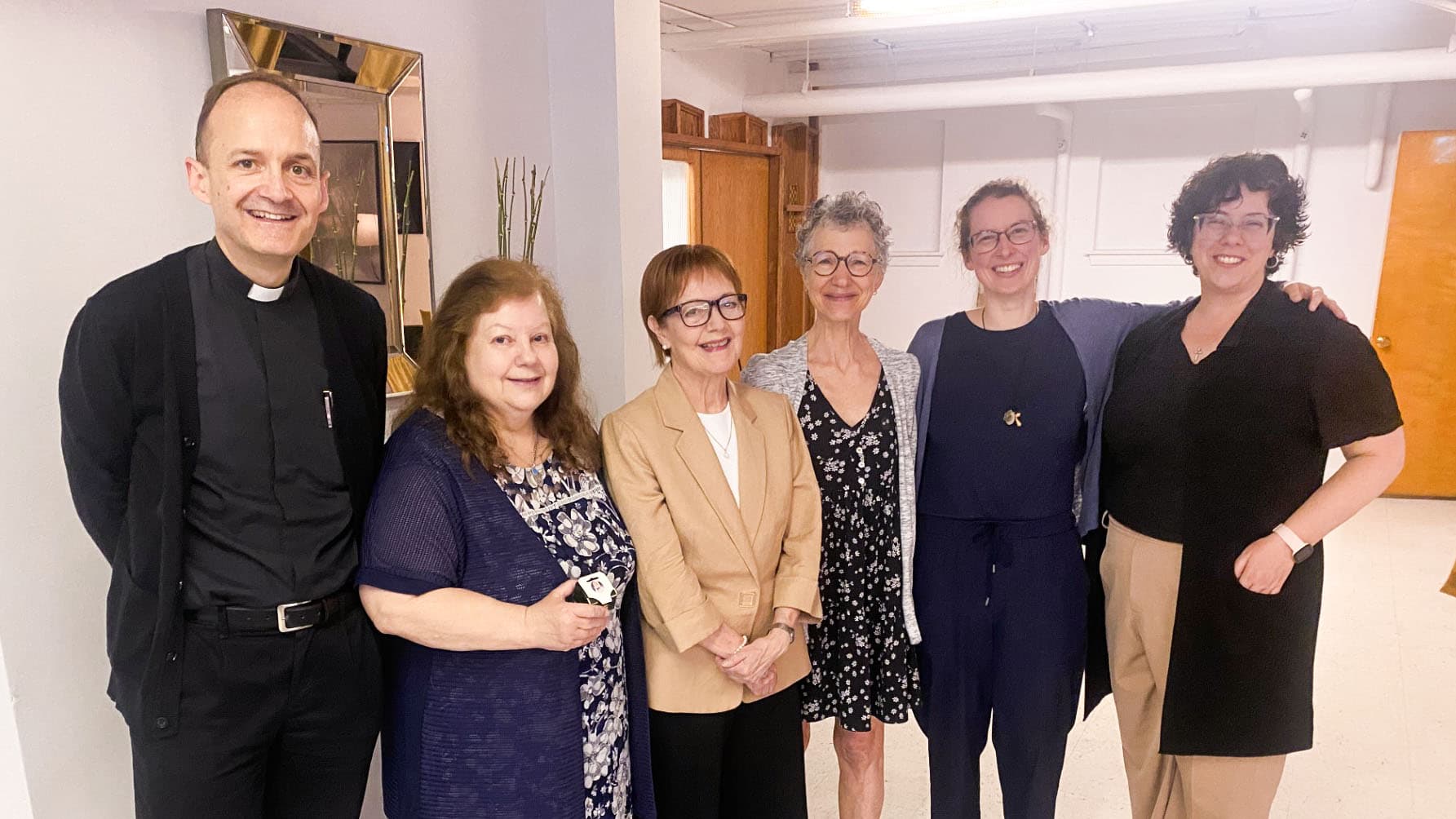
The parish of Saint-Viateur in Outremont organized a conference on end-of-life care on June 6. The event, coordinated by Father Salvador Rego and Ms. Isabelle Saint-Georges, took place in the presence of Dr. Laurence Normand-Rivest and Ms. Lucie Lemieux, pharmacist.
From both a medical and spiritual perspective, the two professionals explained, in turn, to an audience of about twenty people, the difference between medical assistance in dying (MAID), which is considered euthanasia, and end-of-life care, or palliative care. According to the explanations presented, medical assistance in dying consists of ending a person's life. Conversely, end-of-life care takes into account the sacred nature of existence, which is akin to "divine assistance in dying."
The speakers reiterated that the physician's primary duty is to relieve pain. Comfort care at the end of life aims to maintain quality of life and alleviate the physical, psychological, and spiritual suffering of patients. Its objective is not to cure or hasten death, but to offer a gentler, dignified end of life, while avoiding aggressive treatment.
For believers, death represents the passage to another life, and God is present to accompany this spiritual journey. With God, peace is born within. Like Christ, the believer is called to unite themselves to the cross: "I live, yet it is no longer I, but Christ who lives in me." By living fully in the present moment, the end of life can be experienced with serenity, peace, and hope.
Ms. Ellen Roderick, Director of the Diocesan Centre for Life, Marriage, and Family, concluded the meeting by presenting the Horizons of Hope program, a free two-half-day training course developed by the Canadian Conference of Catholic Bishops. This training is for people who wish to deepen their understanding of palliative care and the Catholic Church’s teaching on the end of life, while contributing to building a caring community within their parish.
.jpg)
.jpg)
Aura Pedraza
Parishioner
Comment
Comment
Add new comment