
50 Years of Service: Réjean Leblanc Passes the Torch with Gratitude
Montreal
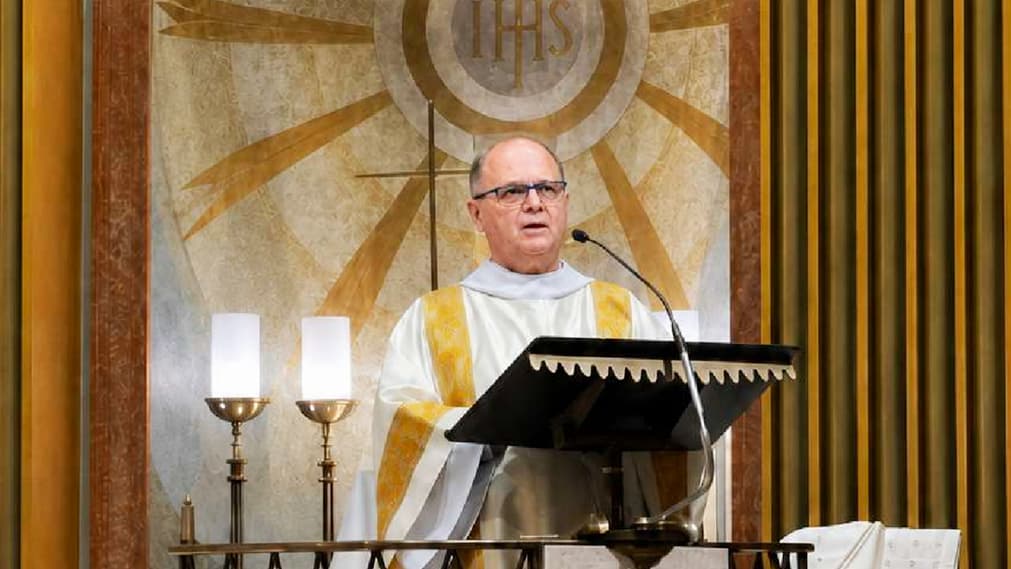
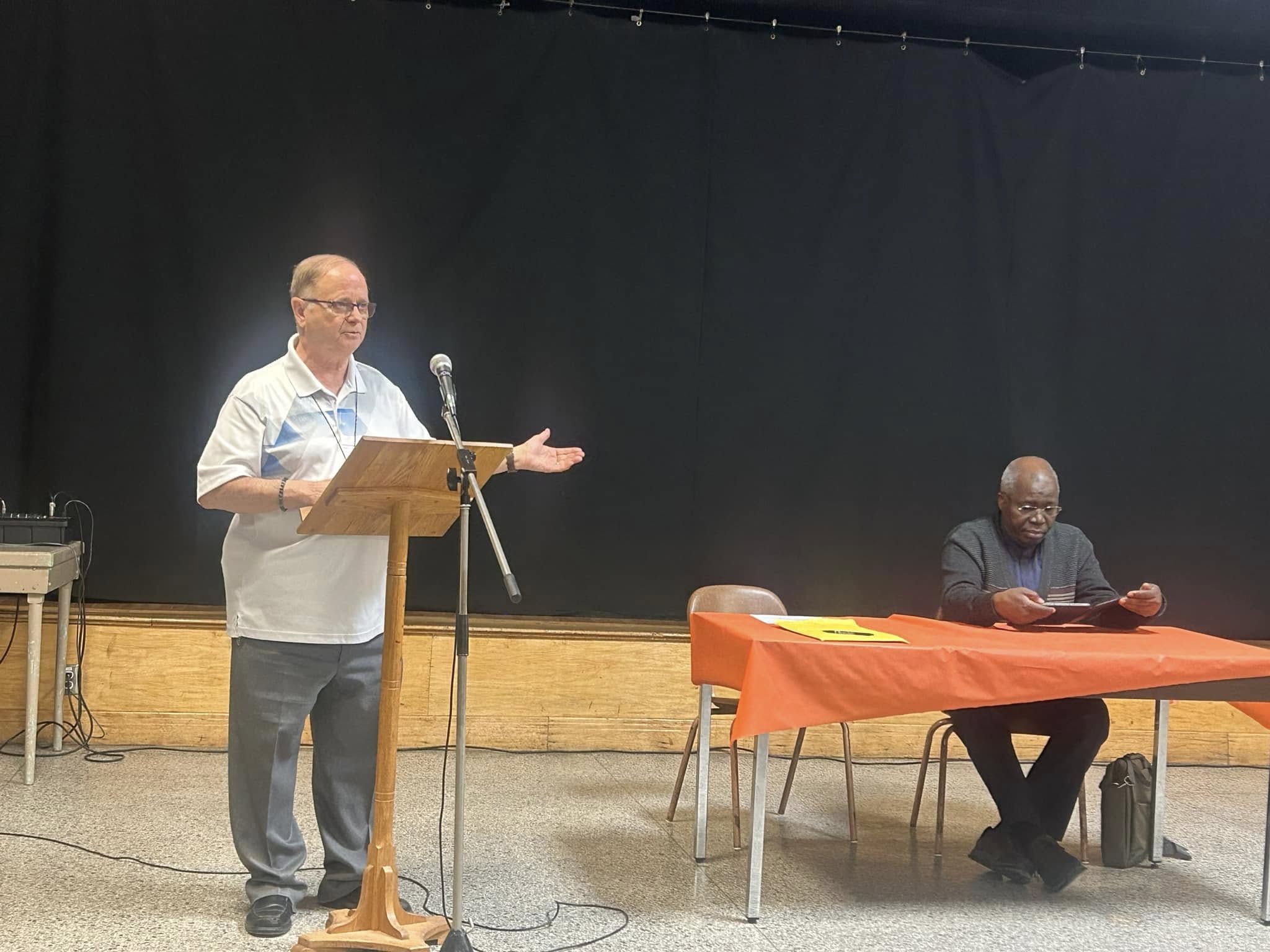
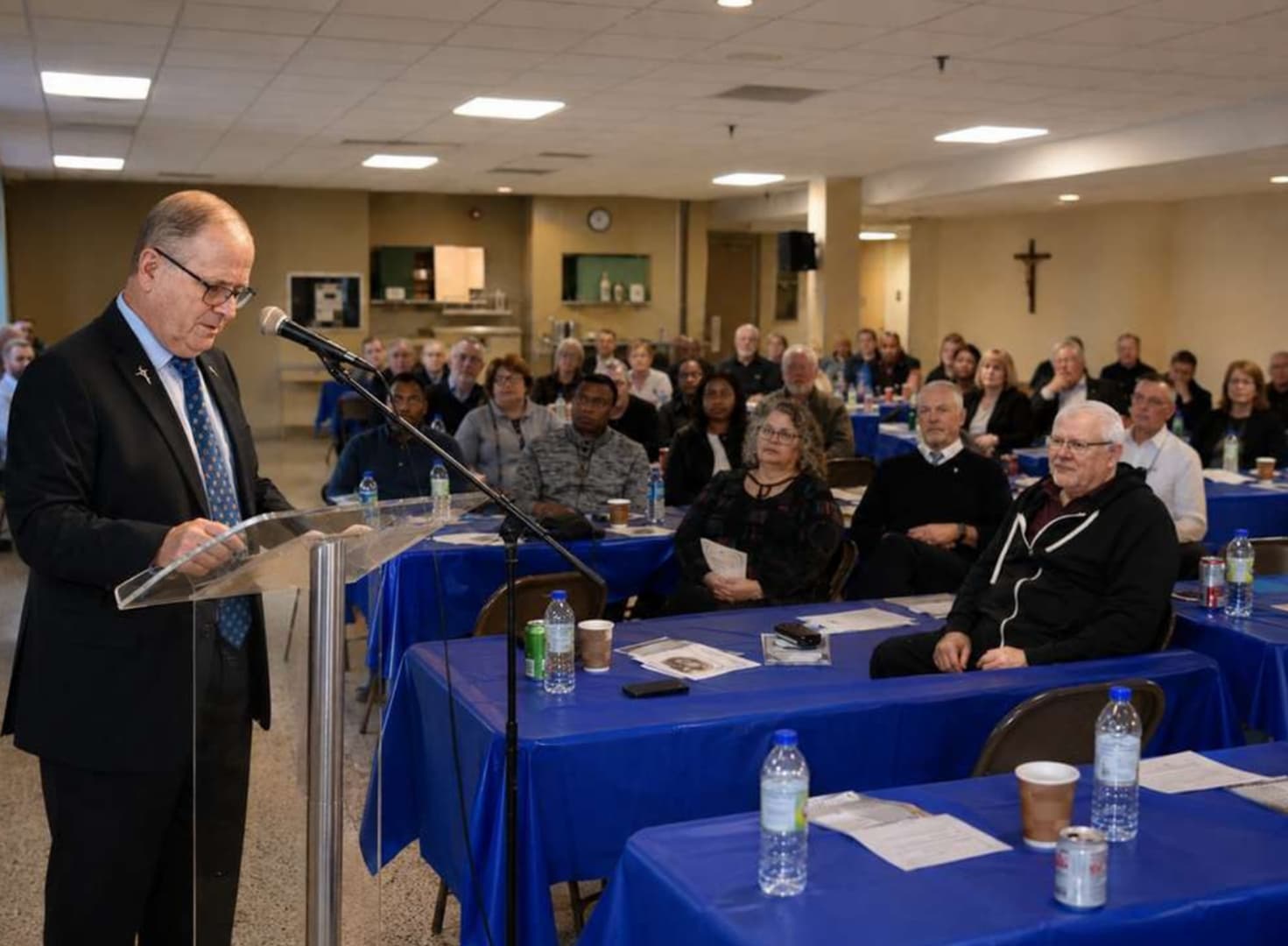
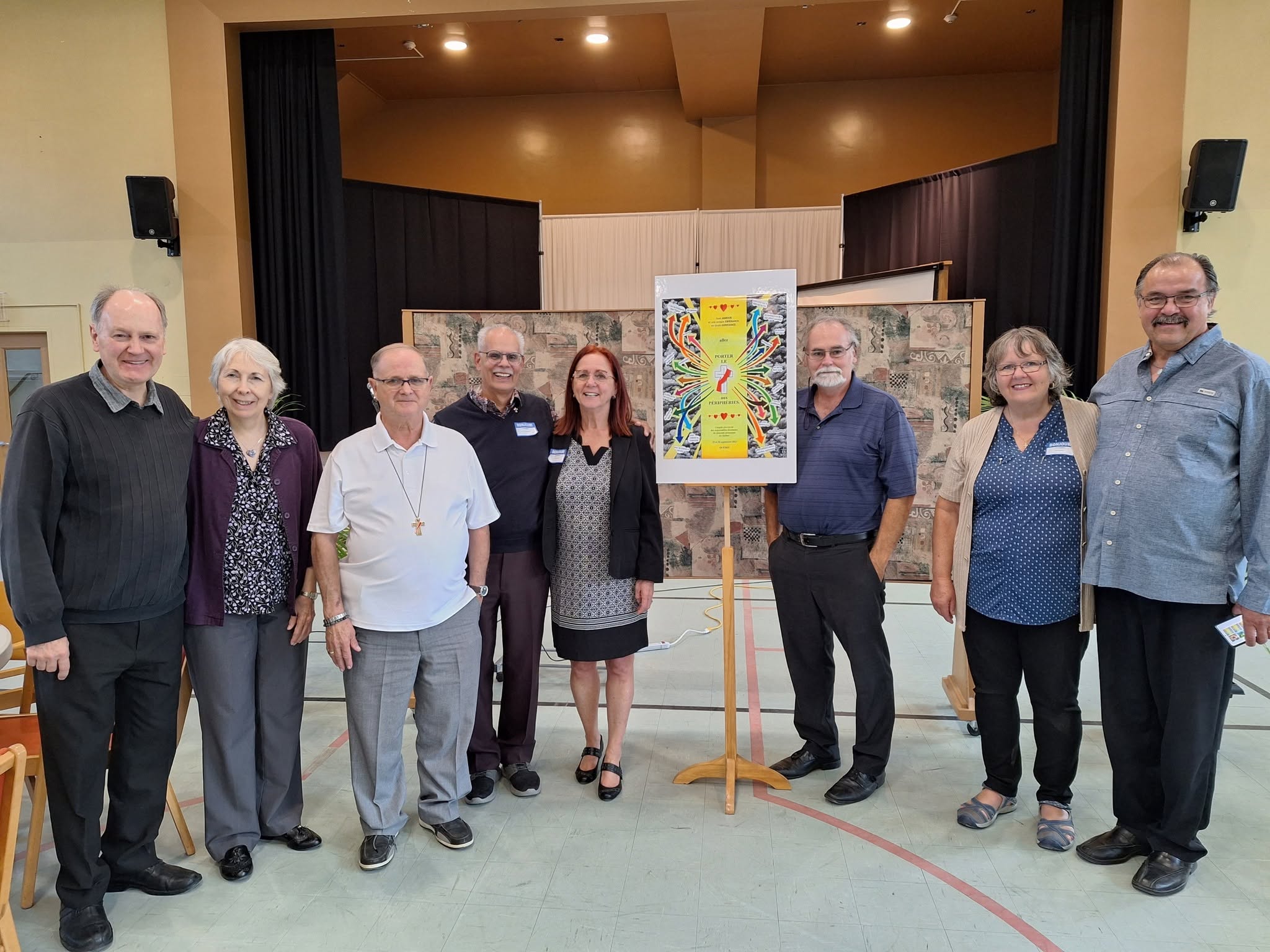
After five decades of service in the Diocese of Montreal, Permanent Deacon Réjean Leblanc is retiring from his diocesan duties. A formator, head of the permanent diaconate, collaborator with several archbishops, and deeply committed to families, he leaves behind a legacy marked by service, fidelity, and a dedication to passing on the mission to future generations. We took the opportunity of his departure to reflect with him on his career.
How long have you been working in the Diocese of Montreal?
My commitment to the diocese spans nearly 50 years. I was ordained a permanent deacon in 1989, becoming the third permanent deacon ordained in Montreal. Over the years, I have held various responsibilities, including as coordinator of the permanent diaconate, formator of future deacons, and member of several diocesan teams.
Alongside my ministry, I also worked for nearly 30 years with young people in detention centers, an experience that profoundly shaped my approach to service.
Which bishops have you had the opportunity to work with?
I have had the privilege of collaborating with four Archbishops of Montreal: Cardinal Paul-Émile Léger, Cardinal Paul Grégoire, Cardinal Jean-Claude Turcotte, and Archbishop Christian Lépine.
I was ordained under Cardinal Grégoire and worked closely with him for several years. I have also known Archbishop Lépine for over forty years. Each of these pastors marked an important stage in my journey and allowed me to serve the Church in Montreal in different ways.
What are you most proud of in your career?
Above all, I am proud of my family. After 59 years of marriage, three children, and three grandchildren, my family has always been my primary vocation. I have always taught that the priorities are family, work, and then the diaconate.
In my ministry, what I am most proud of is having tried to live with integrity. I have always wanted to serve with respect for others, with a deep concern for justice, and with a true sense of mission.
Above all, I thank the Lord for calling me to the diaconate. Being chosen for this mission remains for me the greatest gift.
What legacy do you hope to leave?
I hope, first and foremost, to have contributed to the formation of a new generation of deacons. Over the past few years, I have accompanied many candidates and participated in the development of the formation program that is still used today in the diocese.
My wish is that future deacons will be, above all, good baptized Christians, men deeply committed to their faith, their families, and their communities, who respond to a true call to service rather than simply to a function.
I also hope that those who built the permanent diaconate will continue to pass on their experience to new generations. This legacy is precious and deserves to be shared.
How do you envision the future?
I am leaving my diocesan duties with serenity and gratitude. I do not see this retirement as an end, but as a new chapter.
Starting in September, I will continue my ministry at the parish of Saint-Eustache, where I have already been involved for several years. I will also continue to be available whenever the diocese calls upon me.
My hope for the future is to see more men between the ages of 35 and 55 respond generously to the call to the diaconate. The Church needs people who deeply believe in its mission and who wish to put their talents at the service of God's people.
Comment
Comment
Add new comment